Category: Kindness

  • Today I was reminded of a few valuable lessons.

    After some time away from my job recovering from surgery, new students returned today, which meant being back on campus and in a lecture theatre in front of more than 200 students.

    Photo by Pixabay on Pexels.com

    For me, being in front of a class, explaining, unpacking, discussing and storytelling to make a point that may influence future practice is where I feel most at home. If people had asked me 10 years ago if I was happy public speaking, I most likely would have answered no. However, it is second nature and a place where I can make a difference by encouraging, inspiring, and motivating our future nurses to influence healthcare for the better.

    I went to work today subconsciously, expecting things to be the same as they had for the last 10 years. That I could walk in with ease and the confidence that I usually portray. On the surface, this is most likely what the students saw, but for me, it was a time that included uncertainty, vulnerability and adapting to the new normal.

    I have recently had complex eye surgery on my sighted eye. This has meant variable, distorted and blurred vision along with side effects of medications (including nausea, headache, blurred vision and high blood pressure). Along with this, my glasses prescription has changed, which has worsened the blurred vision and distortions. It will continue to change for another two months, and I can not afford to get new glasses now and then again in two months. Although I knew that my vision would change after surgery, and I had begun making adaptations, I had not anticipated the subconscious physical and emotional impacts.

    Usually, preparing and setting up for a lecture is a breeze. This time, I managed to anticipate some adaptations before arriving; however, I soon learned that some were different or more challenging than I expected. One example was using the lecture theatre computer and touchpad that controls lights, microphones, recording and audio. I had asked a colleague to help; however, as he helped, I noticed I had a specific way that I liked things set up that others may not find intuitive. My usual method meant I did not forget anything. But today, deviating meant that I omitted things that make life more comfortable for students, such as dimming the lecture theatre lights to see the slides better. While this may not seem like a big issue to many, it made me feel a little unsettled.

    Before arriving, I had decided to let the students know that I had recently had surgery and could not see as well as I usually did. I anticipated that this would be necessary when students outside of my field of view or blurred raised their hands to ask questions. As a solution, I planned to stop more frequently, check students’ understanding, and ask students to call out when they had a question telling me their name as they asked the question. This approach meant showing my own vulnerability to students. I usually do not have a problem showing students vulnerability while teaching. For example, letting students know when I do not know the answer to a question they ask. However, sharing personal information or admitting my limitations to over 200 people made me feel more vulnerable than usual and instantly doubt my decision to share the information and ability.

    The social context of education was highlighted as students quickly reverted to putting up their hands and waiting patiently to ask questions. While I noticed some students, I did not see others, which left me questioning whether they felt that their needs were met during that session. As a solution, I had already suggested students post questions unanswered to the discussion forum. To date (15 hours later), no students have posted questions, leading me to believe that students are OK. This situation highlighted how I rely on visual cues as feedback from students in group teaching sessions. In future, I plan to consciously make other avenues for cues more overt by encouraging students to use more verbal prompts.

    While the lecture and discussion were delivered and received with ease, maintaining the learning environment raised challenges, the timing was perfect. As usual, some students approached to ask questions at the end of the session. With my colleague who helped with the setup now gone, logging out of the computer became a challenge. I could not read the small menu of the lecture theatre computer, and the next class were filing in with lecturers waiting to take over the room. I ended up letting a student who was waiting to ask a question log out of the computer for me rather than initiating a discussion about this with the staff waiting to start the next class. While logging out was necessary. It reversed the traditional teacher and student role, where the student asks the teacher for assistance.

    I walked away from the class feeling that I had not performed as well I “should” or “usually” do and wondered how this might affect students. Several students approached after class, thanking me for easing them into the paper, which reduced their anxiety about the course while introducing some new concepts. This reminded me that we all come into a situation with our own fears, students around the unknown course content or expectations. Whereas I feared making mistakes in content delivery and students losing faith in me because I could not see them well enough to realize that they had questions. Interestingly, it wasn’t either of these things that I struggled with instead of the environmental tasks.

    The situation described above has predominantly reminded me that being honest about my challenges/showing vulnerability itself, be a teaching tool.

     

    , ,
  • Today I would like to talk about the changing landscape both figuratively and literally.

    After finishing a long day at work today, I had three events to attend for professional organizations I support related to my job.

    Two of these were in the city. I do go to the city campus of my workplace at times. However, the campus and vicinity are familiar and I don’t generally venture far from it.

    Generally, I’m fairly confident navigating my way around, finding where I need to go, and getting there. However, today was a very different and confronting experience.

    It was the first time I had been to this particular area in the city for around 18 months. The landscape had completely changed.

    Over the last six months, my visual field has decreased significantly (you can read about this in my previous post). While I knew the area I was in, it was very unfamiliar. I had been there before it was when I had much better vision and in my mind, I expected that the experience of this area and the layout would be very similar to the last time.

    This expectation was far from the truth and my experience was considerably different. I knew where I needed to go but getting there was challenging and physically and emotionally exhausting.

    Imagine when you are tired, yet your environment continues to overstimulate you. You try to track everything around you to ensure you remain safe while navigating with one eye closed and looking through a cardboard tube with the other.

    One particularly frightened me was the addition of painted bike and scooter lanes (on the footpath). Where people and fast-moving vehicles darted unexpectedly to avoid each other. I tried to keep track of everything around me but found it so overstimulating and visually challenging that I just had to stop for a while before setting off again.

    To combat this, most of the time, I navigate my environment systematically, but today this approach did not work.

    I finally arrived where I was meeting friends and colleagues; I entered and walked the perimeter of the rooms to find my friends. I couldn’t see any of them. I did another circuit and decided to go outside and call, no answer; I texted and waited 15 minutes. It was cold and windy outside, so I decided to find somewhere warm, get a drink and wait for the next function to start.

    It struck me just how isolating restricted vision can be – particularly when technology can’t help. What began as an easy adventure had become challenging because of the changes in my vision.

    Photo by Pixabay on Pexels.com

    I eventually did manage to meet my friends, they were sitting in one of the rooms, but I did not see them despite walking past. I couldn’t express just how fatigued I was getting there and cried when I found them.

    What this has reminded me of three things. Firstly, the need to conserve the use of my vision. Secondly, my expectations and ability to thrive in busy, crowded and unfamiliar environments might need to change. Lastly, that these changes aren’t a failure but a new beginning.


    , ,
  • When you are striving for the best, with some things going on such as family in the hospital, vision changes, the end of the academic year, crowds at Christmas, public transport, PhD oral examination and thesis amendments, co-chairing, marking, several conference presentations and a lot of deadlines/submissions to journals simultaneously it is sometimes hard to see the wood from the trees or in other words the positive in some situations.

    As a reminder that there is a positive out there – I have put together a synopsis of my 2019 achievements to remind myself. Collating them like this has helped me to see the big picture.

    Work

    • Paid Work
      • Lecturer (Full Time) at Auckland University of Technology
    • Volunteer Work
      • Area Youth Manager (St John Youth) – resigned late 2019
      • Course Coordinator (St John Youth) – current
    • Study
      • Completed, submitted and defended my PhD
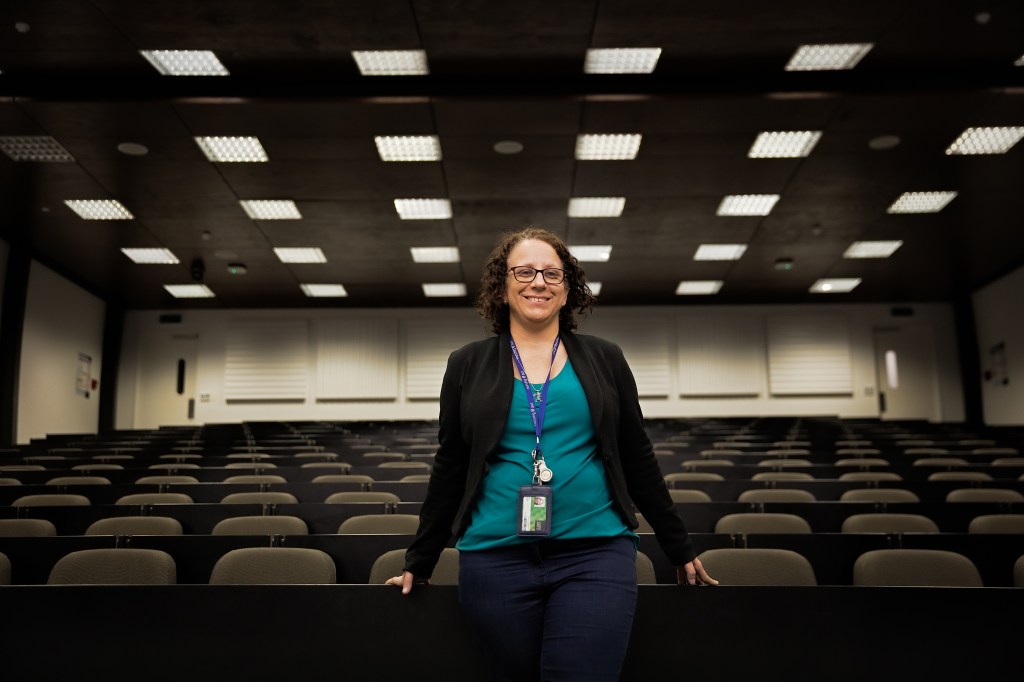
    In one of the lecture theatres at AUT – AA234

    Awards

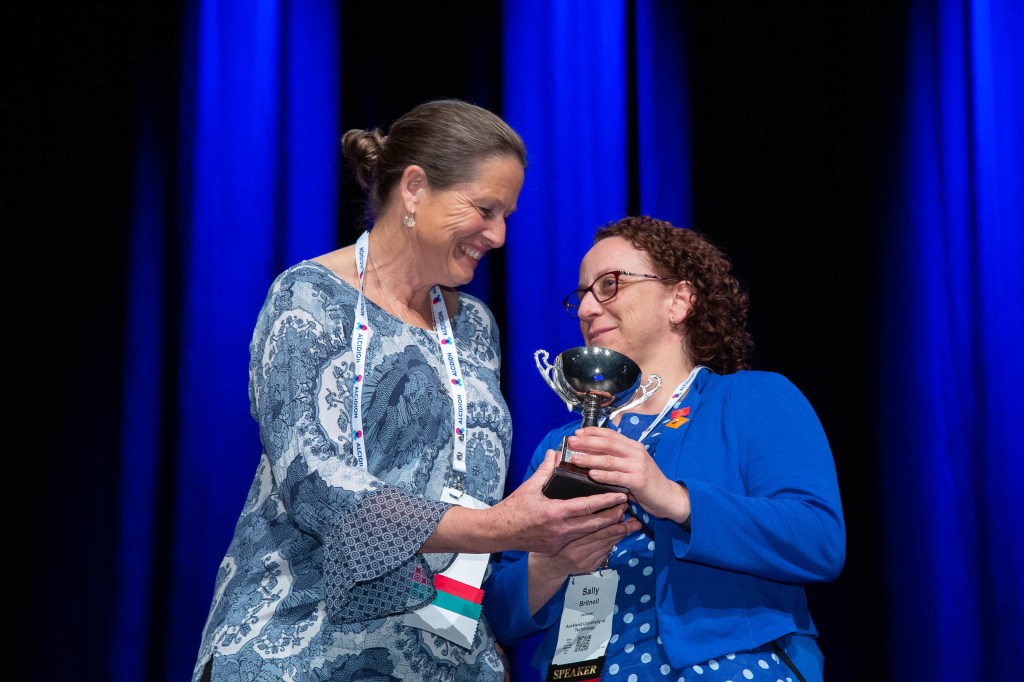
    The Robyn Carr Cup for Excellence in Nursing Informatics 2019 was awarded at Digital Health Week.

    Appointments and Memberships

    Speaking

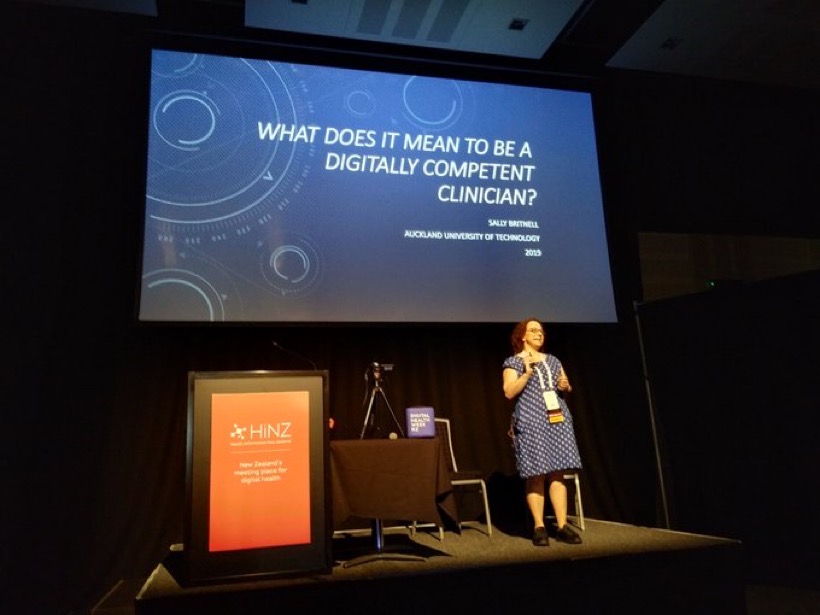
    eAllied HealthWhat does it mean to be a digitally competent clinician

    Presenting to allied health professionals about what it means to be a digitally competent clinician.

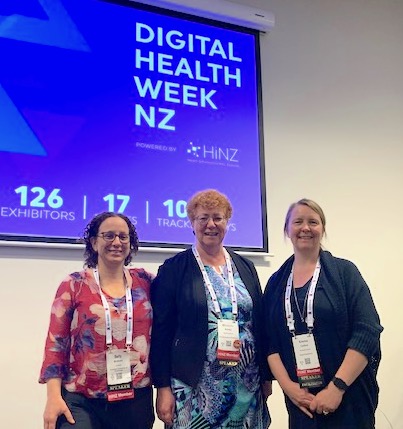
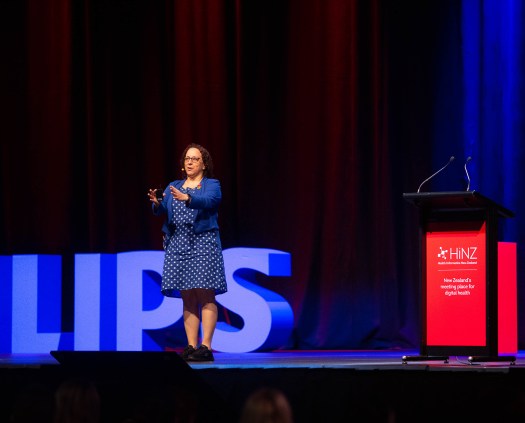
    Health Informatics NZ – What nurse educators want to assist them in developing a nursing workforce for the future: Nursing Informatics Competencies for New Zealand Nurses (presented with Michelle Honey and Emma Collins)

    Discussing the nursing workforce concerning Nursing Informatics at HiNZ 2019.
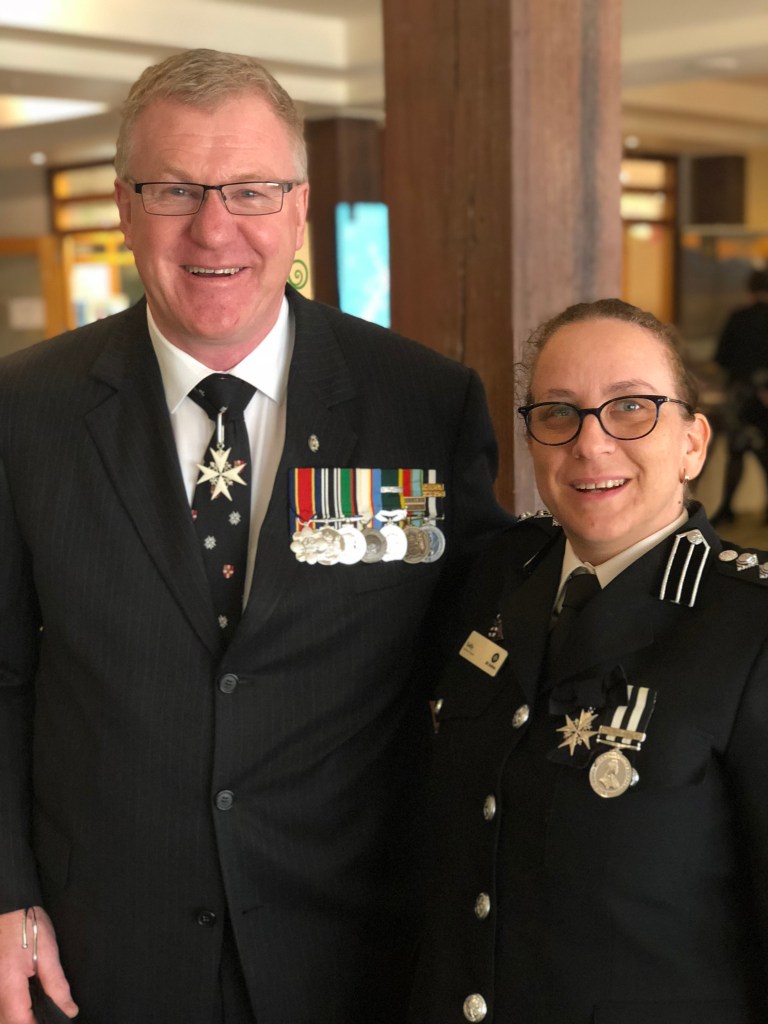
    Brendan Wood (also from AUT) and I at an Auckland St John Investiture


    eHealth NursingChallenges and enablers nurse educators face teaching nursing informatics (presented with Michelle Honey)

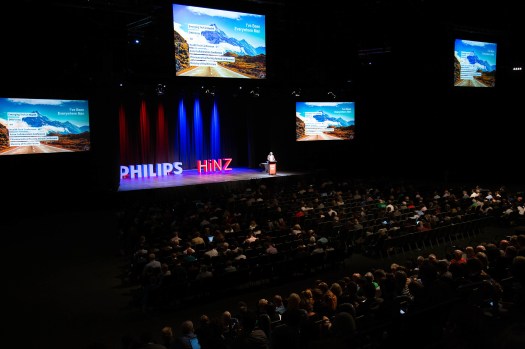
    Presenting our Keynote around the challenges and enablers of teaching nursing informatics.
     The auditorium was huge and rather daunting.


    Media

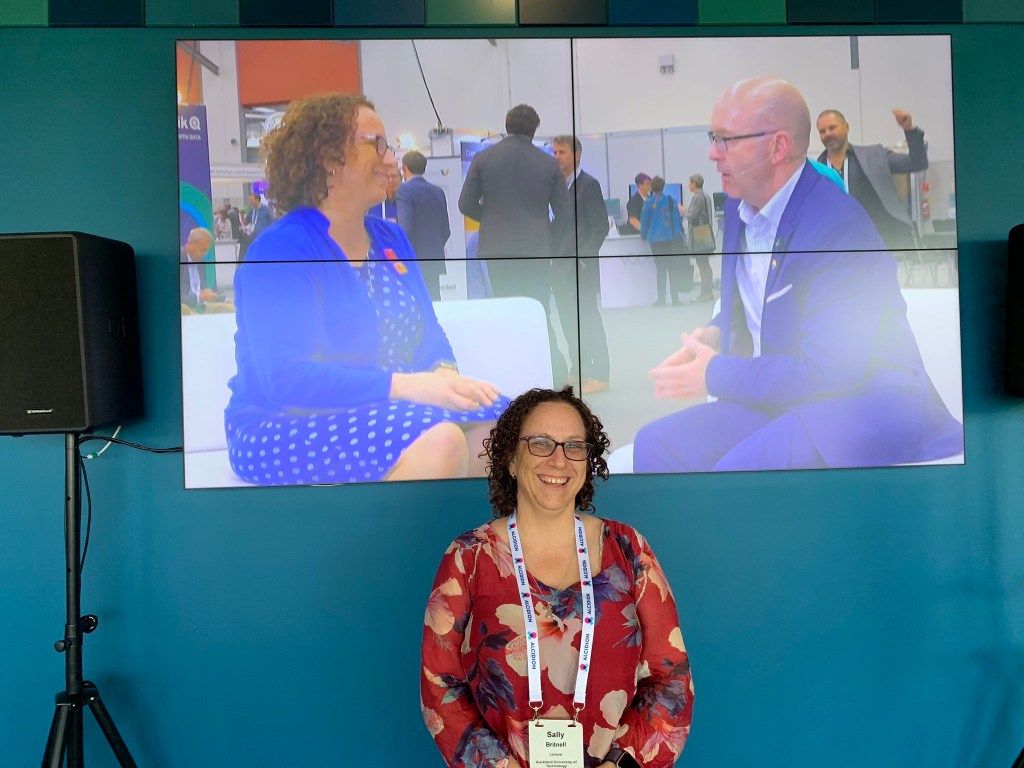
    eHealth TV Interview regarding being awarded the Robyn Car Cup (click here to watch the video)

    Just for fun – two of me!

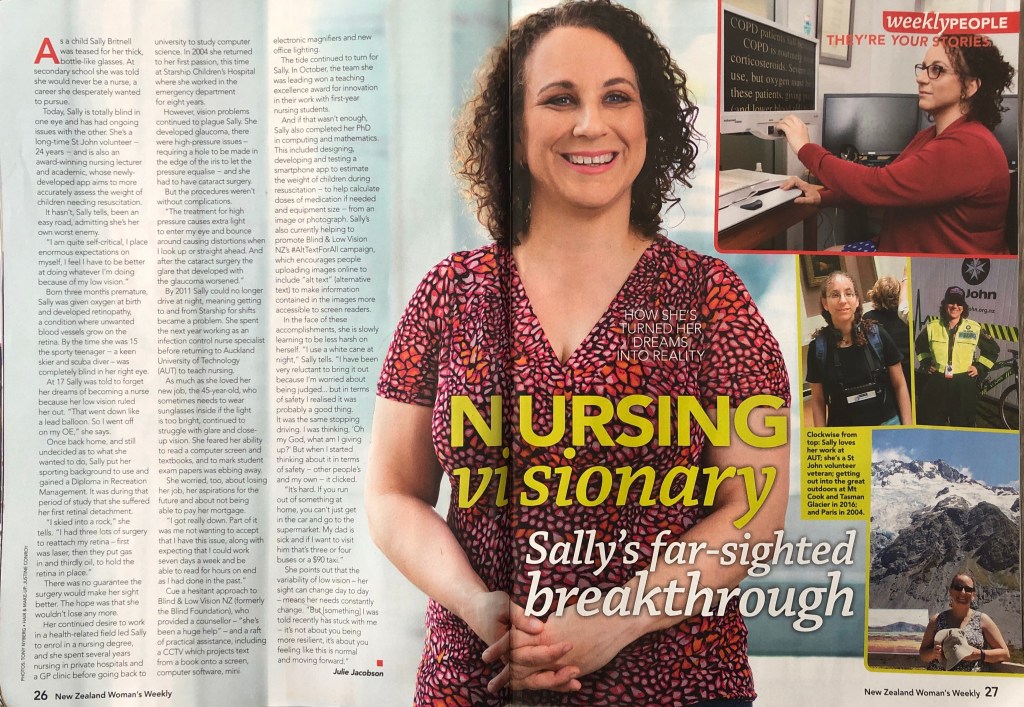
    NZ Woman’s Weekly Article – click to see the full story.

    Article from the Woman’s Weekly

    Campaigns

    #alttextforall – look under our services for my video.

    • Social Media has gone a little viral on Facebook with more than 12,000 hits

    Reviewing

    • Reviewer Clinical Case Studies and Scientific Submissions for Digital Health Week (HiNZ)
    • Reviewer Journal of Clinical Nursing
    • Reviewer Emergency Medicine Journal
    • Reviewer Emergency Medicine Australasia
    • Reviewer PM&R: The journal of injury, function and rehabilitation

    Other Achievements

    TBC

    , ,